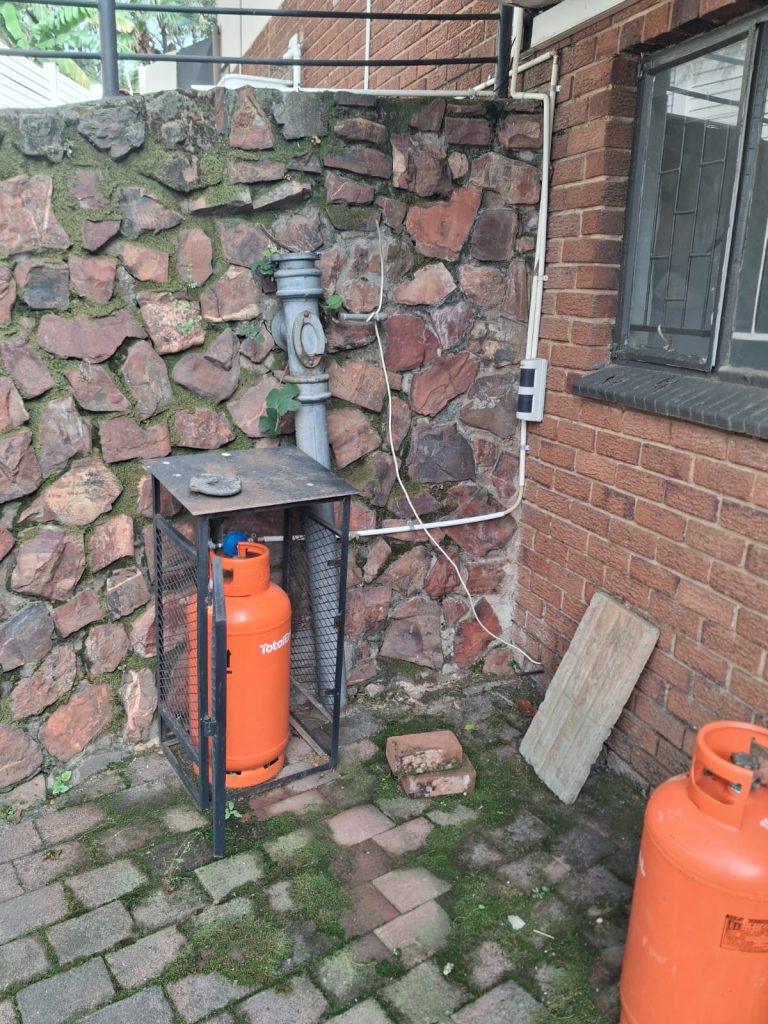
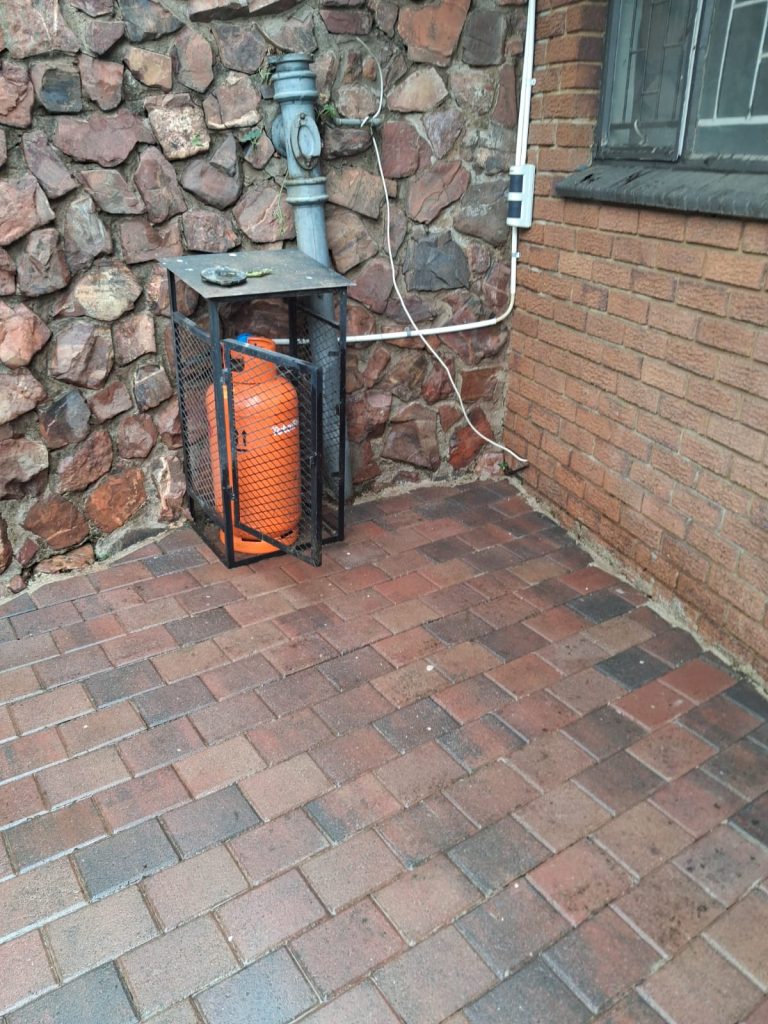
Yes — dirty paving can contribute to illness, especially when it has built-up mould, algae, bacteria, or accumulated pollutants. While the paving itself isn’t “toxic,” the contaminants growing or sitting on it can affect human health.
Here’s a clear breakdown:
AFTER PRESSURE WASHING
Mould and Mildew Exposure
Dirty, damp paving often grows mould or mildew. These can release spores that may cause:
Allergies
Sneezing
Skin irritation
Worsened asthma
Respiratory problems
People with allergies or weakened immune systems are especially at risk.
Slippery Algae → Falls and Injuries
Green algae creates a slick, slippery surface. While not an illness itself, falls can cause:
Cuts
Bruises
Sprains
Infections from open wounds
This is a common issue in shaded or damp driveways and walkways.
Bacteria Buildup
Organic matter (bird droppings, decaying leaves, standing water) can harbour bacteria such as:
E. coli
Campylobacter
Salmonella
These can transfer to hands, shoes, pets, or into the home, increasing infection risk.
Pest Attraction
Dirty, overgrown paving may attract:
Mosquitoes (in pooled water) → can spread diseases
Rodents → carry harmful bacteria and viruses
Insects → spreading contamination
Clean paving reduces spaces where pests hide or breed.
Airborne Dust and Debris
Dry, dirty paving releases dust when stepped on or driven over. This can trigger:
Sinus irritation
Coughing
Asthma flares
Eye irritation
Especially in windy areas or high-traffic driveways.
Who Is Most at Risk?
Children playing outside
Elderly individuals
People with asthma or respiratory conditions
People with mould allergies
Pets (paws absorb contaminants)
Conclusion:
While dirty paving doesn’t directly “cause disease,” the contaminants growing on it absolutely can impact health. Regular cleaning — especially pressure washing — helps prevent mould, bacteria, and algae buildup, keeping your outdoor environment safer.